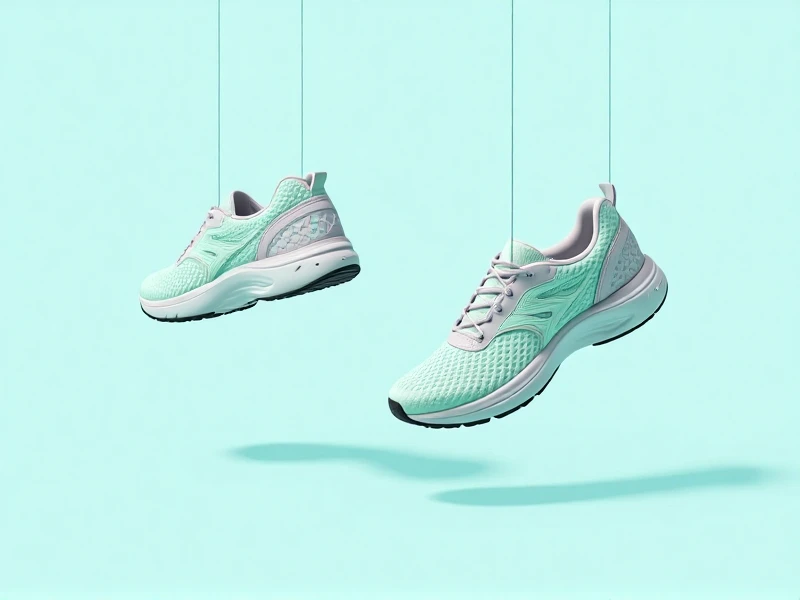
Lightweight Running Shoes: Your Key to Faster, Farther Runs
Certainly! Here's the SEO-optimized article focusing on "lightweight running shoes," written naturally and designed for search engines:
Tired of feeling weighed down during your runs? If your sneakers feel like concrete blocks strapped to your feet, it's time to discover the revolutionary impact of lightweight running shoes. Designed for peak efficiency and speed, these shoes are engineered to shed unnecessary bulk while providing the support and responsiveness you need to conquer your distance goals.
For runners of all levels, from weekend joggers aiming for a 5K PB to marathon veterans chasing down ultimate times, lightweight running shoes offer a distinct advantage. The core benefit lies in reduced energy expenditure. Studies consistently show that lighter footwear correlates to less leg fatigue and less overall effort at the same pace compared to heavier trainers. This efficiency translates to faster speeds, greater endurance, and the elusive feeling of "flying" effortlessly over the pavement. Every ounce saved contributes to potentially faster times and quicker, less taxing recovery.
Modern lightweight running shoes achieve this magic through advanced materials and clever design. Premium foams combined with responsive cushioning systems maintain comfort without adding significant mass. Breathable mesh uppers offer a glove-like fit that supports without suffocating the foot, while strategic rubber placement provides essential durability and traction only where absolutely necessary. The focus is on stripping away any element that doesn't contribute to propulsion or protection.
Choosing the right pair isn't about finding the absolute lightest shoe possible; it's about balance. Here's what runners should prioritize:
- Responsiveness: How much energy returns with each step? Look for midsole technologies designed for rebound without bulk.
- Comfort & Fit: Lightweight doesn't mean less cushioning. Ensure adequate impact protection tailored to your footstrike and mileage. The fit should be snug but not constricting.
- Support: Match the shoe stability level to your pronation needs. Many lightweight designs now offer inherent stability features without adding weight.
- Purpose: Are your lightweight runners for speedwork, racing, everyday training, or all of the above? Some prioritize racing speed, others everyday versatility.
Switching to lighter running shoes isn't just about performance metrics; it often renews the joy of running. That feeling of unburdened freedom, a quicker cadence, and less leg lift fatigue can make every run feel more dynamic. If your current trainers feel like they drag you down, investing in lightweight technology could be the key to unlocking faster times and smoother, more enjoyable miles.
Remember, performance is personal. Test potential lightweight running shoes in-store or consider brands offering wear-tests to find the perfect, featherlight partner that propels you forward, step by effortless step.